
ABOUT THE AUTHOR


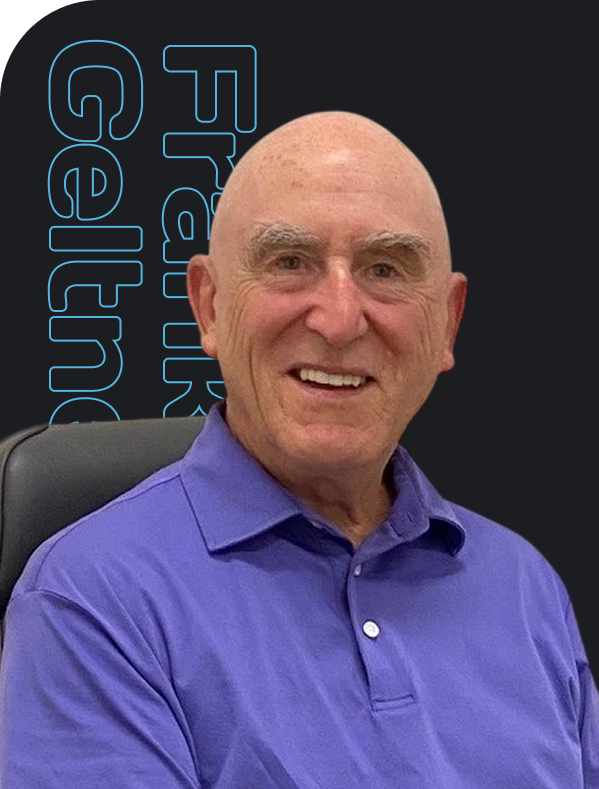
About The Author
Author Overview
Born in 1941, Frank Jo Maitland Geltner, in Godscience, reflects on the history of God in the world — taking his readers on a journey of humankind’s many ways of expressing and/or understanding God. Readers will come to understand the influence of the brain’s architecture on perception, meaning and the very structure of reality as experienced by his consciousness.
Frank Geltner is the author of Godscience: The Conscience and Science of God, a book shaped by years of reflection on faith, consciousness, and the deeper questions people carry through life.
Writing Style
He writes in a way that feels thoughtful, open, and grounded. Godscience does not push quick answers. It gives space to wonder, doubt, reflection, and the search for meaning.
About The Author
Author Overview
Born in 1941, Frank Jo Maitland Geltner, in Godscience, reflects on the history of God in the world — taking his readers on a journey of humankind’s many ways of expressing and/or understanding God. Readers will come to understand the influence of the brain’s architecture on perception, meaning and the very structure of reality as experienced by his consciousness. We get to see how he uses the brain given to him at his creation and developed through his unique exposure to spirituality. His spiritual journey began like most through the desires of his parents; a desire nurtured by the culture they were exposed to in the inner city of Chicago. Roman Catholicism and its educational outlets throughout the world gave him his first view of spirituality. Later agnosticism defined his spiritual mindset. Then he was influenced, as many are, by the force of marital ties. This immersed him in the Christian Science Way of Life; a long and meaningful four decades. This was followed by a period of what has come to be known as being ’spiritual but not religious.’ Then came Unitarian-Universalism. And this is where he is now at home in his spirituality.
Focus Areas
- Faith and conscience
- Consciousness and human nature
- Meaning, morality, and belief
- The meeting point of reason and spirituality
Approach
Frank’s writing is guided by curiosity more than certainty. Even when the subject is big, the tone stays personal and clear. That is part of what makes the book feel human.
Why Readers Connect
- It explores difficult ideas without sounding distant
- It stays reflective instead of preachy
- It invites readers to think for themselves
At the heart of Frank Geltner’s work is a simple thing: a real interest in the questions that stay with people. That is the spirit behind Godscience.